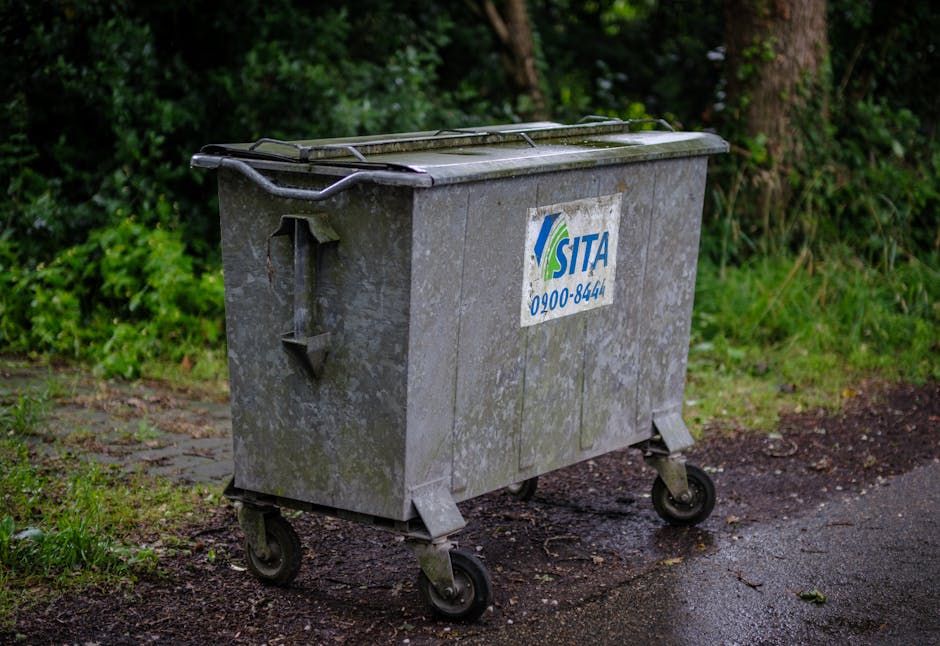
Wirral Council booking windows for bulky waste in Eastham: what to know before you book
If you are trying to clear a sofa, mattress, wardrobe, or other awkward item in Eastham, the booking window can matter just as much as the collection itself. Miss it, and your bulky waste may sit by the kerb longer than you planned. Book it well, and the whole job feels calm, tidy, and strangely satisfying. This guide explains Wirral Council booking windows for bulky waste in Eastham in plain English, so you can plan properly, avoid common mistakes, and decide whether a council pickup is the right fit for your situation.
There is a practical side to this, of course. You want the item gone. But there is also the timing side: when to book, how long to allow, what to prepare, and what to do if council dates do not line up with your move, renovation, or spring clear-out. Let's get into the detail without making it more complicated than it needs to be.
Table of Contents
- Why Wirral Council booking windows for bulky waste in Eastham Matters
- How Wirral Council booking windows for bulky waste in Eastham Works
- Key Benefits and Practical Advantages
- Who This Is For and When It Makes Sense
- Step-by-Step Guidance
- Expert Tips for Better Results
- Common Mistakes to Avoid
- Tools, Resources and Recommendations
- Law, Compliance, Standards, or Best Practice
- Options, Methods, or Comparison Table
- Case Study or Real-World Example
- Practical Checklist
- Conclusion
- Frequently Asked Questions
Why Wirral Council booking windows for bulky waste in Eastham Matters
Booking windows are the bit people often underestimate. You might think bulky waste collection is simply a matter of choosing a date and leaving the item out. In reality, the window shapes everything: your household routine, parking space, access on the day, and whether you need help lifting something heavy at short notice.
In Eastham, where homes vary from compact flats to larger family properties, timing can be the difference between a smooth collection and a slightly chaotic morning with a mattress in the hallway and a neighbour peering over the fence. A good booking window gives you a buffer. That buffer matters if you are juggling work, school runs, keys, shared driveways, or a last-minute furniture shuffle.
It also matters because bulky waste is not the same as regular bin waste. It usually involves large household items that need more space, more handling, and a bit more thought. Booking the right slot helps the council plan routes and helps you prepare the item properly. Simple, but very useful.
Expert summary: the best booking window is not just the earliest one available; it is the one that matches your real-life schedule, your access arrangements, and the time you need to get the item outside safely.
How Wirral Council booking windows for bulky waste in Eastham Works
Although booking processes can change over time, the general structure of a council bulky waste booking is fairly consistent. You select an available collection slot, confirm the items, follow the placement instructions, and make sure the waste is ready in the agreed location by the required time. That is the basic shape of it.
The phrase "booking window" usually refers to the range of dates or time period you are given to choose from. It may also refer to the lead time between booking and collection. In practical terms, that means you may not be able to arrange a pickup for the next morning. Sometimes you need to wait a little, and if you leave the job until the last minute, that wait can feel longer than it should. Funny how that works.
What the council will generally care about is whether the items are clearly described, accessible, and within the bulky waste rules. If the collection point is blocked by a parked car, hidden behind garden clutter, or difficult to reach, the service can become messy very quickly. That is where planning helps.
If you are also clearing out a house, garage, loft, or home office, it can help to coordinate the bulky waste slot with a wider clearance plan. For larger jobs, many people combine council collection with a more flexible service such as house clearance, garage clearance, or loft clearance so everything happens in one clean sweep rather than in stages.
Key Benefits and Practical Advantages
The biggest benefit of using a council booking window is predictability. You know when the item is expected to go, and that helps you plan the rest of the week. If you are moving house, decorating, or simply reclaiming space after months of staring at an old sofa, that certainty is reassuring.
There are a few other advantages worth spelling out:
- Lower stress: you are working to a known date, not guessing when someone might turn up.
- Better household planning: you can clear a path, move other furniture, and prepare access in good time.
- Cleaner kerbside presentation: the item is less likely to sit out too early and cause issues.
- Clearer decision-making: you can compare council collection with private options before the clock runs out.
- Less waste drift: the item is handled within a set process rather than hanging around "for now".
That last one matters more than people think. A room that is nearly clear but not quite clear can stall for weeks. One bulky item somehow becomes three. Then suddenly there is a broken chair, a lamp base, and an old drawer unit lurking beside it. We have all seen that story.
For people who want a more flexible, same-week alternative, it may be worth looking at furniture disposal or broader waste removal options, especially where timing is tight.
Who This Is For and When It Makes Sense
This topic is for anyone in Eastham who needs to get rid of bulky household items without turning the process into a full-scale life admin event. That includes tenants, homeowners, landlords, families, and older residents clearing out rooms that have quietly collected furniture for years. Truth be told, bulky waste almost always turns up at a busy moment.
It makes sense if you only have a small number of large items, the council service fits your schedule, and you are happy to follow the collection rules closely. It also makes sense if you have a bit of lead time and can wait for an available window rather than needing immediate removal.
It may be less suitable if you are dealing with:
- multiple heavy items across several rooms
- urgent clear-outs before a sale or tenancy handover
- items that need dismantling
- mixed loads with furniture, bagged waste, and builder's debris
- access problems such as stairs, narrow passages, or no roadside access
In those cases, a more flexible clearance service can be easier. For example, if you are dealing with an end-of-tenancy flat or a cluttered office corner, pages like flat clearance and office clearance may be more relevant than a single council pickup.
Step-by-Step Guidance
Here is the practical version. No fluff.
- List the items clearly. Write down what you want removed. Include dimensions if you are unsure whether something is bulky enough or too awkward to move whole.
- Check your access. Think about the route from the item to the collection point. Doors, gates, steps, shared entrances, and parked cars all matter.
- Choose the earliest sensible booking window. If you need the space back quickly, book early. If you have a move date coming up, work backwards from that date rather than hoping the timing will magically line up.
- Read the placement instructions carefully. Council collections often rely on items being left in a specific location. Put them where they can be seen and reached.
- Prepare the item. Empty drawers, remove loose contents, and dismantle only if the instructions call for it. If you are unsure, leave it intact unless told otherwise.
- Move the item out at the right time. Do not put it out too early if that creates a pavement obstruction or risk. Follow the schedule as closely as possible.
- Keep an eye on updates. If your booking confirmation or timing changes, note it immediately. Small changes can snowball if ignored.
A practical example: if you are clearing a dining room before carpet fitting on Friday afternoon, booking the collection window for earlier in the week gives you breathing room. That way, if something slips, you are not trying to drag a heavy sideboard around at 7:30 on the morning of the fit. Nobody wants that. Not even the sideboard.
If your home project includes old chairs, wardrobes, or worn-out mattresses, you may also want to compare costs and timing with furniture clearance or check the firm's pricing and quotes page for a broader service view.
Expert Tips for Better Results
After enough clear-outs, a few patterns become obvious. The smoothest bookings are usually the ones where the person planned around the collection, not the other way around.
Here are the tips I would actually give a neighbour:
- Book with a little slack. If possible, avoid choosing the narrowest possible window before a deadline.
- Measure awkward items. A quick tape measure check can save a lot of guesswork later.
- Sort out parking early. If the collection point is near a tight street or shared drive, move the car the night before.
- Bundle related items thoughtfully. If you are already clearing furniture, add only what truly fits the same clearance plan.
- Think about weather. Rain can make cardboard soft, fabric heavier, and routes slippier than expected.
- Use the booking window to reduce clutter around the item. Clearing the path matters almost as much as clearing the item itself.
One tiny but useful habit: keep a photo of the item before booking. It helps when you are deciding whether to split the task into separate collections or whether one pickup will do. It's a bit old school, but it works.
For people managing outside spaces too, you can sometimes pair an indoor bulky collection with garden clearance or a targeted home clearance if the job has spread beyond one room. That keeps the whole thing coherent.
Common Mistakes to Avoid
The main mistake is treating the booking window as if it does all the work for you. It doesn't. You still need to prep, check access, and make sure the items match the service rules.
Other common mistakes include:
- Leaving it too late to book: this is the classic one. The item seems harmless until the deadline suddenly feels very close.
- Forgetting that access matters: if the collection crew cannot reach the item, the schedule becomes pointless.
- Mixing bulky waste with other waste types: builder's rubble, bagged rubbish, and furniture often need different handling.
- Not checking the item condition: some items may need to be empty, disassembled, or kept safe for collection.
- Assuming "near the door" is enough: sometimes the item needs to be placed very specifically.
- Underestimating how much time clearance prep takes: one broken wardrobe can involve screws, drawers, and a surprising amount of dust.
If you are dealing with construction leftovers or renovation debris, do not assume a bulky waste slot will cover everything. In that case, builders waste clearance is a more suitable route. Different waste, different rules. Fairly simple once you see it clearly.
Tools, Resources and Recommendations
You do not need specialist equipment for a basic bulky waste booking, but a few simple tools make the process much easier.
- Tape measure: useful for checking whether the item fits through doors or stair turns.
- Marker pen and note: label items if you are clearing several rooms at once.
- Gloves: helpful when handling dusty, splintered, or sharp-edged furniture.
- Basic screwdriver or Allen key set: useful if something needs partial dismantling.
- Phone camera: helpful for keeping a quick record of what is being removed.
For a broader clearance plan, use your booking window to map the work backwards. Start with the largest obstacle first. A wardrobe blocking a spare room may be more urgent than half a dozen smaller items, even if the smaller items look messier. That sort of judgement saves time.
If you want a little more reassurance about how a local team works, the about us page gives a helpful sense of the business background, while recycling and sustainability explains how waste is approached with a more responsible mindset.
And if the job involves sensitive items, mixed property contents, or something beyond a quick pickup, check the firm's insurance and safety and health and safety policy pages. That may sound dull, but it is exactly the kind of dull that prevents problems.
Law, Compliance, Standards, or Best Practice
Bulky waste handling in the UK sits within broader waste and safety expectations, so the safest approach is to follow the collection rules carefully and avoid mixing waste streams unless the service specifically allows it. For households, the key best practice is straightforward: only present what has been booked, keep access safe, and do not leave items where they could create a hazard or obstruction.
If you are a landlord, managing agent, or business owner, the bar is a bit higher. You should be clear on duty of care, safe handling, and whether your waste is domestic, commercial, or mixed. In plain English, that means knowing who is responsible for what, who moves the item, and what documentation or service terms apply. If you are unsure, do not guess. It is better to ask than to make an expensive tidy-up into a compliance headache.
Best practice also includes:
- keeping the collection area safe and accessible
- not blocking footpaths, driveways, or fire routes
- separating reusable items from damaged waste where practical
- using a service that explains its process clearly
- keeping confirmation details until the item has been collected
For anyone arranging a larger domestic or commercial clear-out, it is worth reading the site's terms and conditions and, where payment is involved, the payment and security information. That is not overcautious; that is just sensible.
Options, Methods, or Comparison Table
Different removal methods suit different problems. The best choice depends on speed, item type, access, and how much you want to do yourself.
| Option | Best for | Strengths | Possible downside |
|---|---|---|---|
| Council bulky waste booking | One-off household items with flexible timing | Structured, usually straightforward, good for planned clear-outs | Limited windows and less flexibility if you are in a rush |
| Furniture-specific removal | Sofas, chairs, beds, wardrobes, and similar items | Useful when the job is mostly furniture-based | May not suit mixed waste or very urgent deadlines |
| Full home or house clearance | Whole-room or whole-property clearances | Efficient for larger, more complex jobs | May be more than you need for a single item |
| Waste removal service | Mixed or awkward loads | Flexible scheduling and broader handling | Not always necessary for a simple one-item pickup |
To be fair, the right choice is usually obvious once you step back and look at the whole job. One chair? Council booking window may be perfect. A garage full of clutter, old shelving, and broken furniture? That is a different story entirely.
Case Study or Real-World Example
A typical Eastham scenario goes like this. A family is preparing a spare room for a new baby, and the old sofa bed has to go. They also have a damaged armchair and a side table that has seen better days. At first, they think a council bulky waste booking will be enough.
Then they check access. The sofa bed is awkwardly positioned, the hallway is narrow, and the collection needs to happen before visitors arrive at the weekend. The timing is tight. Very tight.
What works best in that situation is not rushing. They compare the council window with a more flexible furniture-focused option, decide whether one or two items can be removed together, and choose the route that gives them certainty. In the end, the win is not just the collection. It is the room being usable again without three extra days of stress hanging over it.
That is the real point of booking windows. They are not just dates on a page. They are a planning tool. Used well, they reduce friction and help you finish the job without the whole house feeling upside down.
Practical Checklist
Use this before your collection day.
- Confirm what items are being removed.
- Check whether the items need to be emptied or dismantled.
- Measure anything bulky or awkward.
- Make sure the collection route is clear.
- Move cars or obstacles that could block access.
- Keep the items in the agreed collection location.
- Review your booking confirmation and timing.
- Keep children and pets away from the work area.
- Have gloves or basic tools ready if needed.
- If the job has grown, consider whether a wider clearance service would be easier.
A little preparation goes a long way. Honestly, it is often the difference between "sorted" and "why is this still here?".
Conclusion
Wirral Council booking windows for bulky waste in Eastham are easiest to manage when you treat them as part of a small plan, not a single appointment. The right window gives you time to prepare the item, clear access, and avoid last-minute pressure. That matters whether you are shifting one old sofa or trying to reclaim an entire room.
If you remember only one thing, make it this: book with the real job in mind, not just the calendar. Think about access, item type, timing, and how much you want to do yourself. That approach saves hassle and usually leads to a cleaner, calmer result.
Get a free quote today and see how much you can save.
And if you are still weighing up the best route, take your time. A good clearance decision is one you feel comfortable with when the dust has settled and the room finally looks like itself again.
Frequently Asked Questions
What does a bulky waste booking window actually mean?
It usually means the date range or lead time you are given for a collection. In practical terms, it is the slot you plan around so the item is ready when the crew or collection team expects it.
How far in advance should I book bulky waste in Eastham?
As early as you reasonably can. If you have a move date, decorating work, or a tenancy deadline, work backwards from that date so you are not leaving the booking until the last possible moment.
Can I leave bulky waste out the night before?
Only if the collection instructions allow it and it will not create a hazard, obstruction, or access issue. In many cases, it is better to follow the exact timing given rather than guess.
What items usually count as bulky waste?
Large household items such as sofas, chairs, wardrobes, mattresses, tables, and similar furniture are common examples. The exact rules can vary, so it is worth checking what the service accepts before booking.
What if I have more than one large item?
That depends on the collection rules and how much can be taken within one booking. If you have a whole room's worth of items, a broader service may be more practical than a single bulky waste pickup.
What if my collection window does not suit my schedule?
If the timing is awkward, compare it with a more flexible clearance option. That is often the smarter move when the calendar is tight, especially if you are dealing with multiple heavy items.
Do I need to dismantle furniture before collection?
Not always. Some items can be collected intact, but access and collection rules matter. If dismantling helps with safe handling or is required by the service, then do it. If not, leave it as it is.
Is a council collection better than a private clearance service?
Neither is always better. Council booking can be ideal for simple, planned jobs, while a private service may suit urgent, mixed, or larger clearances. The right option depends on timing, volume, and access.
What should I do if the item is too heavy to move safely?
Do not force it. Heavy items can cause injuries or damage if moved badly. If you cannot shift them safely, choose a service that can handle the lifting properly.
Can I combine bulky waste with other types of rubbish?
Sometimes, but not always. Mixed waste often needs a different service. If you have builders waste, garden waste, or general household rubbish as well, check whether it should be separated.
Where can I get help if I want a fuller clearance solution?
Start with the service pages that match your situation, such as home clearance, house clearance, or waste removal. If you are unsure, use the site's contact page to discuss the job in practical terms.
Is there anything I should read before booking?
Yes. It is sensible to review the relevant service terms, safety information, and recycling approach so you know what to expect. That helps avoid confusion on collection day and gives you a clearer picture of the process.