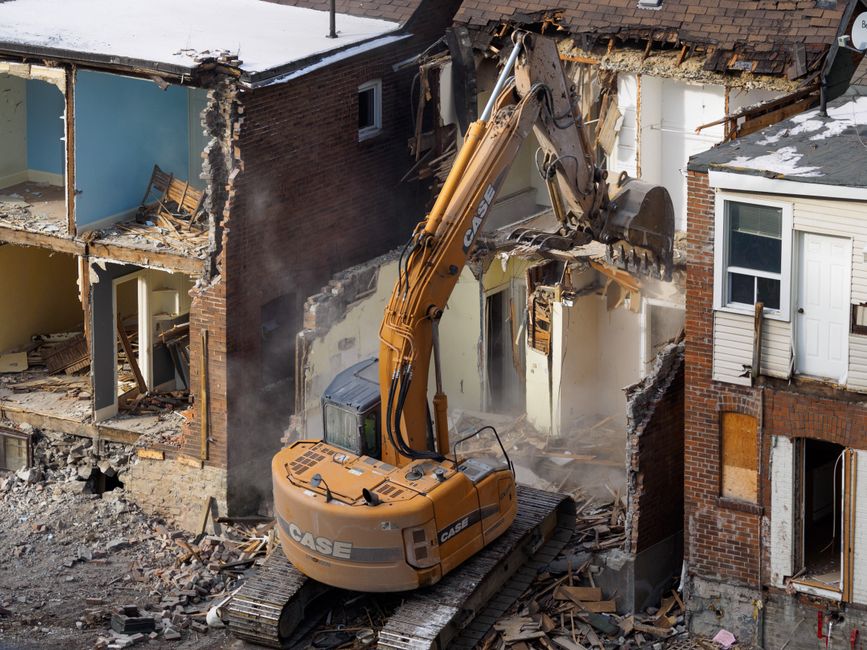
Typical costs for clearing a three-bed home in Eastham: what to expect, what changes the price, and how to plan well
If you are trying to work out the typical costs for clearing a three-bed home in Eastham, you are probably in one of those situations where time, energy, and headspace are all running low. Maybe the house is full after a long family move. Maybe you have inherited a property that needs sorting. Or maybe, let's face it, the loft, spare room, and garage all quietly became storage units over the years.
The honest answer is that costs vary. A three-bed home can be a fairly straightforward clearance, or it can turn into a bigger job depending on access, volume, heavy furniture, waste type, and how much sorting is needed. In this guide, we break down what typically affects the price, how a clearance usually works, what you should ask before booking, and how to avoid paying more than you need to. We will keep it practical, local, and plain-English.
For readers comparing full-house clearing with smaller jobs, it can also help to look at related services such as house clearance, home clearance, furniture disposal, and waste removal. Those pages give useful context if your project includes only parts of the property, not the whole place.
Table of Contents
- Why Typical costs for clearing a three-bed home in Eastham Matters
- How Typical costs for clearing a three-bed home in Eastham Works
- Key Benefits and Practical Advantages
- Who This Is For and When It Makes Sense
- Step-by-Step Guidance
- Expert Tips for Better Results
- Common Mistakes to Avoid
- Tools, Resources and Recommendations
- Law, Compliance, Standards, or Best Practice
- Options, Methods, or Comparison Table
- Case Study or Real-World Example
- Practical Checklist
- Conclusion
- Frequently Asked Questions
Why Typical costs for clearing a three-bed home in Eastham Matters
Understanding clearance costs matters because the price is not just a number on a quote. It usually reflects labour, time, transport, disposal, sorting, and the practical difficulty of getting everything out safely. In a three-bed home, that can range from a light removal of a few bulky items to a full property clearance after a tenancy, probate matter, relocation, or refurbishment.
It also matters because many people underestimate the real scale of the job. A three-bed house sounds tidy and specific. Then you open the wardrobes, lift the loft hatch, and remember the back bedroom has been storing boxes since 2017. That is where costs start to shift. The more there is to move, the longer it takes, and the more vehicle space and disposal capacity are needed.
In Eastham, as in much of London, access can make a noticeable difference too. Narrow staircases, limited parking, controlled loading areas, or shared access can all affect the time on site. That does not mean a job becomes unreasonable. It just means a fair quote should reflect the actual conditions, not a best-case fantasy.
Expert summary: the best clearance price is rarely the cheapest headline number. It is the one that matches the real workload, includes disposal properly, and avoids surprise extras on the day.
How Typical costs for clearing a three-bed home in Eastham Works
Most house clearances are priced using a mix of volume, labour, and waste type. Some companies price by load size, some by time, and some by a site visit or photo assessment. In practice, a sensible quote usually considers all three.
Common pricing factors
- Amount of contents: a lightly furnished property costs less than a house packed with furniture, books, appliances, and bagged waste.
- Access: stairs, narrow hallways, long carries to the vehicle, or parking restrictions can add time.
- Item type: bulky furniture, mattresses, white goods, and mixed waste often affect cost differently.
- Sorting required: if items must be separated for reuse, recycling, or disposal, the job may take longer.
- Urgency: same-day or short-notice bookings can carry a premium.
- Special handling: fragile items, heavy wardrobes, or awkward loft contents can take extra care.
The really important part is that a quote should be based on what is actually there. A photo walkthrough or short video call is often enough for a reliable estimate. For a property that is mostly furnished but not overflowing, the cost tends to sit in the middle ground. If the house is almost empty, it is usually quicker and cheaper. If every room, cupboard, and outbuilding needs clearing, the price rises naturally.
Many customers also combine a house clearance with extra services such as loft clearance or garage clearance. That can be a smart move, because doing everything in one visit often saves time and reduces repeat call-out costs. One van trip is one van trip. Two trips... well, you can see where that goes.
Key Benefits and Practical Advantages
The obvious benefit is convenience. But there are a few other advantages that matter just as much, especially if you are managing a busy life or a stressful property situation.
- Less disruption: a full or partial clearance can remove clutter quickly, making a property easier to sell, let, or refurbish.
- Safer movement: clearing hallways, stairs, and rooms reduces trip hazards and makes the property easier to inspect.
- Better decision-making: once the space is visible, it is easier to decide what to keep, donate, recycle, or dispose of.
- Reduced emotional load: this is a big one in probate or downsizing situations. Sorting through a lifetime of belongings is not just physical work.
- Cleaner handover: landlords, executors, and homeowners often need a property ready for the next stage without delay.
There is also a practical benefit that people sometimes miss: a well-run clearance reduces waste mistakes. Furniture can be separated from general rubbish. Reusable pieces can be handled properly. Mixed waste can be loaded and removed without turning the site into a mess halfway through. That is the difference between a job that feels controlled and one that feels like a scramble.
If sustainability matters to you, it is worth asking how items are sorted and where they go. The company's recycling and sustainability information should give a clearer picture of its approach to reuse and responsible disposal.
Who This Is For and When It Makes Sense
Three-bed home clearance services are useful for a wide range of people. Some are moving. Some are clearing a relative's home. Some are refurbishing. Some are trying to reclaim a house that has simply become too full to manage properly. There is no single "right" reason. Real life is rarely that neat.
This kind of service often makes sense if you are:
- downsizing from a family home
- preparing a property for sale or rental
- sorting a probate or inherited home
- clearing after tenants have left items behind
- removing bulky furniture before renovation
- dealing with accumulated household clutter
It also makes sense when your own time has more value than a full weekend of lifting, sorting, queueing at disposal sites, and borrowing a friend's van that may or may not start on a damp Saturday morning. We have all seen that movie.
Some people only need a furniture clearance rather than a full house clearance. Others only need help with one part of the home, such as the garage or loft. The right option is the one that matches the actual volume and keeps costs sensible.
Step-by-Step Guidance
If you want a smoother, more predictable clearance, a simple process helps a lot. Here is the practical version.
- Walk through the property room by room. Note large furniture, appliances, bagged waste, loft items, garden storage, and anything awkward to move.
- Separate what you are keeping. This sounds obvious, but it is easy to overlook one shelf or drawer that still has personal items in it.
- Take clear photos. Wide shots of each room plus close-ups of heavier items usually help produce a more accurate quote.
- Ask what is included. Confirm labour, loading, transport, disposal, and whether there are any extra fees for access or special items.
- Check timing and parking. In Eastham, practical access details can matter more than people expect.
- Decide what to keep, sell, donate, or clear. A few minutes of sorting before the job can save a lot of unnecessary loading.
- Book the right scope of work. If the loft, garage, and shed are full, mention them now rather than adding them later.
- Be present, if possible. Not always essential, but it helps if questions come up on the day.
A quick example: a three-bed home with a sofa, dining set, two wardrobes, a bed frame, a mattress, and several black bags of general household waste is a very different job from a nearly empty property with just a few items left behind. The quote should reflect that difference. No guesswork needed.
Expert Tips for Better Results
Over the years, the jobs that go best usually have one thing in common: someone has thought ahead just enough. Not overdone. Just enough.
1. Be very clear about hidden spaces
Lofts, understairs cupboards, sheds, and garages can quietly double the workload. Mention them even if you are not sure they need clearing. A quick note saves awkward surprises later.
2. Separate reusable items where you can
If a table, dresser, or sofa is still in decent condition, flag it early. Even if it does not change the price dramatically, it can improve sorting and reduce waste.
3. Ask for a written quote
A written quote is helpful because it keeps everyone aligned on scope. It also makes it easier to compare offers fairly.
4. Think about access before the team arrives
Moving a car, clearing a path, or checking parking arrangements can genuinely save time. Small thing, big difference.
5. Be realistic about sentimental items
If you are clearing a family home, leaving time for decision-making is wise. Rushing that part usually leads to regret. A slightly slower start is often worth it.
If you want to compare clearance types before booking, the pricing and quotes page is a sensible place to start, especially if you are trying to understand what different jobs may include.
Common Mistakes to Avoid
People do not usually get clearance wrong because they are careless. More often, they just underestimate the amount of stuff involved. Fair enough, it happens.
- Only describing the main rooms: forgetting lofts, garages, and sheds can understate the job.
- Comparing quotes without checking scope: the cheapest quote may exclude labour, disposal, or bulky items.
- Leaving sorting until the team arrives: this can slow everything down and muddy the quote.
- Assuming all furniture is treated the same: some items need more handling than others.
- Not checking what happens to waste: responsible disposal matters, especially for mixed household contents.
- Booking the wrong service type: a small item removal may not need a full house clearance at all.
Another common slip is failing to ask how the company handles payment and security. That should be clear before the day of collection, not something you are figuring out with the front door open and a van outside.
Tools, Resources and Recommendations
You do not need special equipment to prepare for a clearance, but a few simple tools make the process easier. Nothing glamorous. Just useful.
- Phone camera: take room-by-room photos for an accurate quote.
- Labels or sticky notes: mark keep, clear, donate, or unsure.
- Bin bags and boxes: useful for loose small items and paperwork.
- Tape measure: helpful if you are checking whether items can be taken apart or moved through tight spaces.
- Notebook: good for listing rooms, outbuildings, and items needing special handling.
For service planning and trust signals, it can also help to review pages covering about the company, insurance and safety, and health and safety policy. Those pages matter because a clearance should be handled carefully, not casually.
If you are dealing with a wider cleanup beyond the house itself, related services like garden clearance and builders waste clearance may be worth considering too. That is often the difference between doing the job once and revisiting the same property three times.
Law, Compliance, Standards, or Best Practice
For most householders, the main thing is using a company that disposes of waste responsibly and works safely on site. You do not need to become a compliance expert overnight, but a few best-practice checks are sensible.
In the UK, household and commercial waste should be handled by responsible operators, and it is good practice to ask how materials are sorted, transferred, and disposed of. If a clearance includes electrical items, heavy furniture, or mixed waste, the company should explain how those items are managed. If you are clearing a rental or probate property, good record-keeping is also helpful.
Safety matters too. A proper clearance should reduce hazards, not create them. That means moving items carefully, protecting walls and floors where needed, and keeping pathways usable during the job. A tidy plan is not just nice to have. It is part of the work.
It is also sensible to review any relevant terms, payment details, and service conditions before booking. The pages on terms and conditions and payment and security are there for a reason, and honestly, they are worth a quick read.
Options, Methods, or Comparison Table
There are a few ways to approach a three-bed home clearance, and the right one depends on time, budget, and how much needs removing.
| Option | Best for | Typical strengths | Possible drawbacks |
|---|---|---|---|
| Full house clearance | Whole property, including multiple rooms and contents | Fast, thorough, low hassle | Higher overall cost if only a few items need removing |
| Partial clearance | Specific rooms or selected items | Budget-friendly, flexible | May require more sorting before booking |
| Furniture-only removal | Large items such as beds, wardrobes, sofas | Good if the property is otherwise clear | Not suitable for mixed waste or cluttered spaces |
| Room-by-room staged clearance | Large jobs with emotional or practical sorting needs | Controlled, less overwhelming | Can take longer and may need more than one visit |
For a three-bed home in Eastham, a full clearance is often best when you are working to a deadline. A partial clearance can be the smarter choice if the home is mostly sorted already. The trick is not to overbuy the service. That sounds obvious, but people do it all the time.
Case Study or Real-World Example
Here is a realistic example. A family in Eastham needed a three-bed property cleared after a move. The house still had a dining table, several wardrobes, a bed frame, old garden chairs, boxed household items in the loft, and general clutter in the spare room. Nothing dramatic. Just a lot of stuff, in that very normal British way where each room has a bit more than anyone wants to admit.
Before booking, they took photos of each room and noted that parking was tight. They also mentioned the loft and garage up front, which helped avoid any last-minute awkwardness. The quote reflected the actual scope rather than just the main furniture.
Because they had already separated a few things to keep, the team could move through the property efficiently. The result was less stress on the day, fewer surprises, and a cleaner finish. The family said the main relief was simply seeing the spare room floor again. Small victory, but a real one.
This is a good example of why accurate information matters more than bargaining over tiny differences between quotes. If the brief is clear, the price tends to be fairer and the whole job runs smoother.
Practical Checklist
Use this checklist before you request or accept a quote for a three-bed home clearance.
- List every room, including attic, loft, garage, shed, and garden storage.
- Take clear photos in good light.
- Separate keep, clear, and unsure items.
- Note any bulky furniture, white goods, or fragile items.
- Check whether access is tight or parking is limited.
- Confirm what is included in the price.
- Ask about disposal, recycling, and reusable items.
- Check payment terms before the job starts.
- Set aside any documents, valuables, or sentimental belongings.
- Allow a little extra time if the house is very full or emotional to clear.
Quick practical takeaway: the best way to manage clearance cost is to be accurate, not vague. The more clearly you describe the job, the more reliable the pricing tends to be.
Conclusion
Typical costs for clearing a three-bed home in Eastham depend on the volume of contents, the type of items, access, and how much labour the job needs. That is the simple truth. A lightly furnished home will usually cost less than a property full of mixed household contents, heavy furniture, and attic storage. The best value usually comes from a clear quote, honest photos, and a service scope that matches the property in front of you.
If you are planning a move, probate clearance, rental turnaround, or a general reset of the home, take a few minutes to assess the full picture before booking. It saves money, time, and a fair bit of stress. And if the job feels bigger than you first thought, that is completely normal. Most of these jobs do, to be fair.
Get a free quote today and see how much you can save.
When the dust settles and the rooms are clear, you usually feel the same thing: relief. Proper, quiet relief. That alone is worth planning well.
Frequently Asked Questions
How much does it usually cost to clear a three-bed home in Eastham?
The price varies depending on how full the home is, what needs removing, and how easy it is to access the property. A lightly furnished home will usually cost less than a packed one, especially if there are loft, garage, or heavy-item additions.
What makes a three-bed house clearance more expensive?
Extra volume, stairs, limited parking, bulky furniture, urgent booking, and mixed waste can all increase the cost. Special handling for awkward or heavy items can also add time.
Can I get a cheaper price if I sort the house first?
Yes, usually. If you separate keep, clear, and donate items before the team arrives, the job often takes less time and may be cheaper. It also makes the quote more accurate.
Do lofts and garages count in the price?
They often do, if they are part of the clearance. A quote for a three-bed home should be based on the actual areas included, not just the main living rooms.
Is a home clearance the same as a house clearance?
They are very similar terms in everyday use. Some providers use them interchangeably, while others use one for larger jobs and one for lighter domestic clearances. It is worth checking the scope.
What should I ask before booking a clearance?
Ask what is included, how waste is handled, whether there are extra charges for access or special items, and what the payment terms are. A clear written quote helps a lot.
How long does it take to clear a three-bed home?
That depends on how much is inside and how easy the property is to access. Some clearances are done in a few hours, while fuller or more complex jobs can take longer.
Will the company recycle or reuse items where possible?
A responsible operator should explain how items are sorted, reused, or recycled where appropriate. If sustainability matters to you, ask about that before booking.
What if I only need furniture removed, not the whole house?
Then a furniture-only service may be better value than a full house clearance. It is a good idea to match the service to the actual amount of waste or furniture you have.
Is it better to book one full clearance or several smaller ones?
In many cases, one well-planned clearance is better because it saves repeat call-out costs and reduces disruption. Still, staged clearances can make sense if the property is large or emotionally difficult to sort.
Do I need to be at the property during the clearance?
Not always, but it is often helpful, especially if there are questions about what stays and what goes. If you cannot be there, make sure instructions are very clear in advance.
Where can I check more about the company before I book?
It is sensible to review the company's about us, pricing and quotes, health and safety policy, and contact us information before making a decision.